
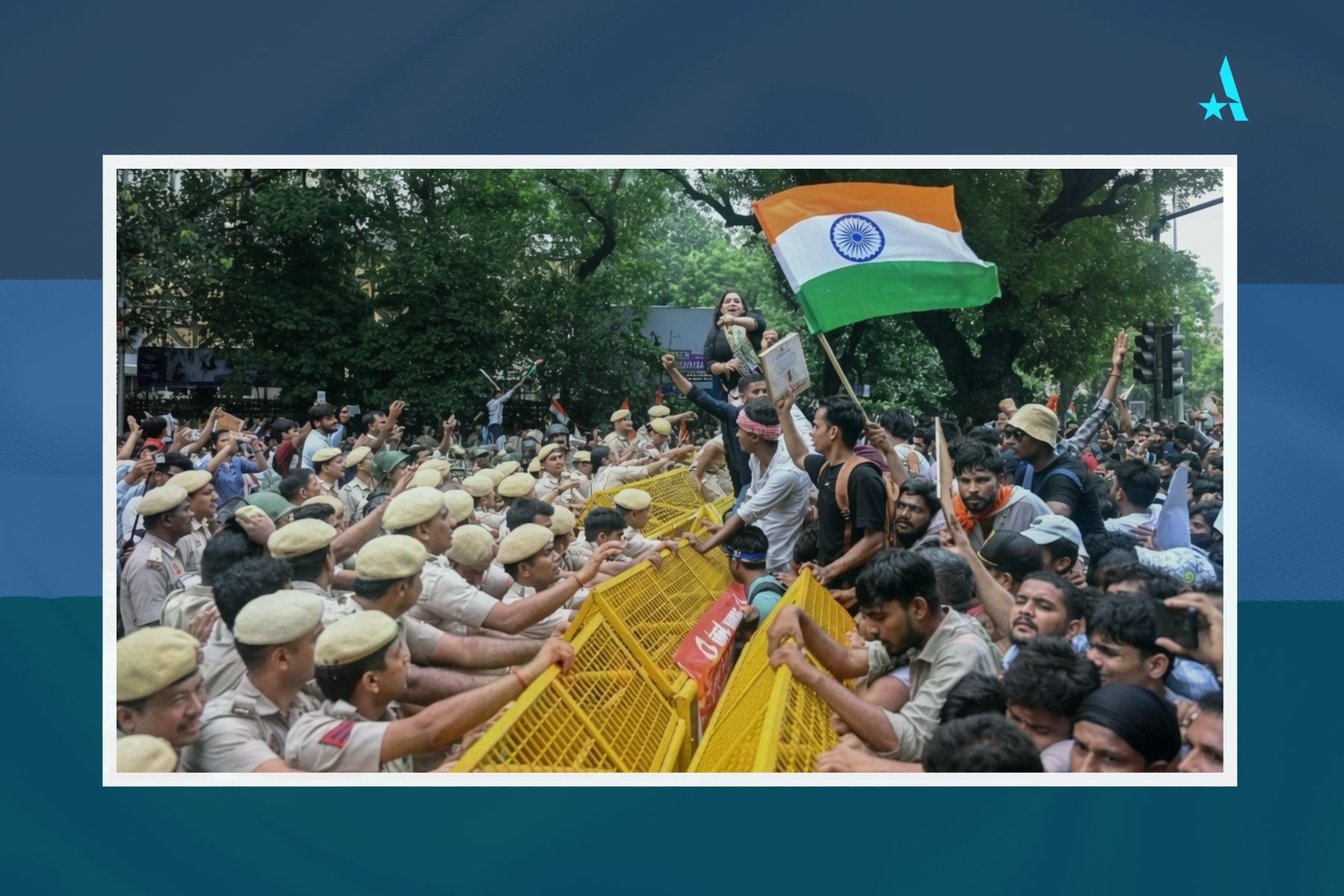
Before we rush to join the “bash the CJP protesters” bandwagon, we must acknowledge an uncomfortable truth: the anger behind these protests is not entirely manufactured. India has serious, unresolved problems, and too often we treat each failure as an isolated incident instead of recognising the systemic breakdown beneath it.
The Prime Minister recently acknowledged the frustration caused by examination paper leaks. He said those responsible had been jailed, a fresh examination conducted and the results declared so students would not lose a year. That is welcome action. This criticism does not come from hostility towards the Prime Minister; many of us admire him and want his government to succeed. But this response still treats the leak as a standalone crime. Corruption is systemic; it cannot be cured with a bandage after each scandal.
The gap between national ambition and execution is harder to ignore. The bullet train became a defining promise of the 2014 era. Twelve years later, construction is progressing, but not a single passenger has travelled on it, and the project still relies on Japanese technical and financial assistance. Meanwhile, open-source estimates suggest China may have produced around 500 J-20 stealth fighters, while the Indian Air Force operates 36 Rafales. The comparisons are imperfect, but they show how slowly aspiration is sometimes converted into capability.
The same problem appears in political accountability. The 2G trial ended in acquittals, with the government’s appeal still pending years later. Robert Vadra has faced investigations and court proceedings, but no conviction. These were among the symbols of corruption and privilege that helped bring political change in 2014. Yet meaningful closure remains elusive. The result is a sense that the wine remains the same even when the bottle changes.
We keep inviting economists to discover the “secret sauce” for faster growth. Yet India’s biggest constraints are visible outside our windows: broken roads, crumbling civic infrastructure, overflowing garbage, unreliable public services and corruption embedded in everyday approvals and contracts. Fixing these basics could contribute more to productivity and human dignity than another grand policy document.
But acknowledging all this does not mean endorsing anarchy. The CJP movement is no longer purely a student protest; activists, political parties, influencers and professional organisers have attached themselves to it. Delhi Police has alleged assaults, stone-pelting and damage to public property, while protesters have accused the police of excessive force. Every allegation must be investigated fairly. Peaceful dissent is a democratic right; violence is not.
Those romanticising disorder from studios, political offices or celebrity accounts generally have lawyers and institutional protection. The ordinary person encouraged to breach a barricade or throw a stone may face an FIR that follows him for years.
India needs change, accountability and better decisions. It does not need chaos. We should neither dismiss genuine public anger nor allow it to be weaponised. The answer is lawful protest, institutional reform and measurable delivery—not another cycle of outrage, violence and forgotten promises.