
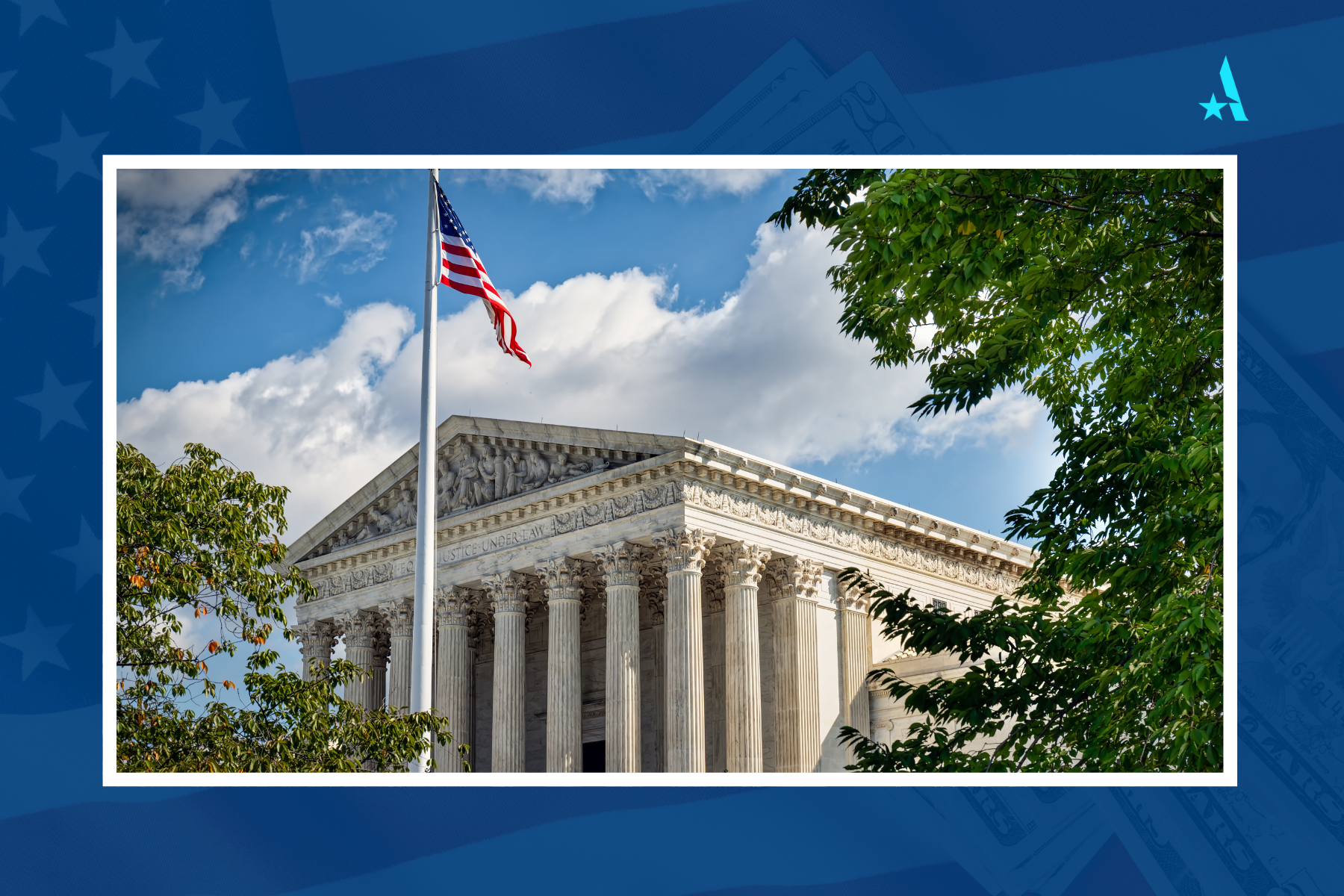
The recent U.S. Supreme Court ruling on emergency tariffs draws a clear constitutional line: a president cannot impose sweeping tariffs at whim, by proclamation or social media announcement, without statutory grounding and due process. Trade taxes must follow legal authority. Blanket, rationale-free escalation under emergency powers is no longer defensible.
What disappears? Any tariffs imposed specifically under the struck-down emergency authority (IEEPA). That includes broad “reciprocal” global tariffs or country-specific duties justified purely under emergency declaration. U.S. Customs cannot continue collecting those duties prospectively.
What remains is equally important. All tariffs imposed under other lawful statutes remain in force. This includes baseline WTO-bound MFN tariffs (for example, 8% on certain textiles or 2.5% on auto components), existing Section 301 tariffs for unfair trade practices, Section 232 national security tariffs such as those on steel and aluminum, Section 201 safeguard tariffs following injury findings, anti-dumping and countervailing duties, and the temporary surcharge of up to 15% under Section 122 (valid for up to 150 days, subject to statutory conditions).
In short: emergency blanket tariffs disappear. Structured statutory tariffs remain.
Section 301 now becomes the real “Plan B” for sustaining tariff leverage after the emergency shortcut was struck down. Under this mechanism, the U.S. Trade Representative must initiate a formal investigation, publish notice, gather public comments, build an evidentiary record, and determine whether a trade practice is “unreasonable or discriminatory.” Legally, the process can take up to 12 months; in practice, 4–9 months is typical. Once determined, tariffs can take effect within weeks.
For the executive, Section 301 offers flexibility — no explicit tariff cap, country-specific targeting, phased implementation — but it is not unconstrained. A defined unfair practice must be established, public consultation is mandatory, and actions are reviewable in federal court. Crucially, it cannot justify a universal global tariff.
For India, this ruling reduces the risk of sudden across-the-board escalation. Elevated emergency tariffs cease prospectively if imposed under IEEPA. However, baseline and other statutory tariffs remain. The trade environment shifts from impulsive declaration to structured process.
Tariffs already paid under invalidated authority do not automatically trigger refunds. Importers must litigate claims, a process that may take years.
The strategic takeaway is simple: tariff tools remain powerful, but the emergency shortcut is gone. Markets prefer rules to whims — and this ruling nudges global trade policy back toward rules.
Note: This article was updated on February 21, 2026 to clarify that Section 122 authorizes a surcharge of up to 15%, not 10% as previously stated.